The Quiet Shift in How Companies Are Financed!
The corporate financing landscape is undergoing a fundamental transformation. As banks gradually reduce lending, particularly to small and medium-sized companies, the need for alternative sources of financing is increasing — along with the need for advisers who can match the right capital with the right company.

Earlier in June, the Financial Times highlighted an interesting report from Boston Consulting Group (BCG), showing that bank lending to companies in the UK has fallen to its lowest level in almost 30 years. Behind that figure lies a structural shift in how companies are financed — a development that is likely relevant across financing markets, including the Nordics. ❗
According to BCG, lending by UK banks to non-financial companies has fallen to 59% of GDP, its lowest level since 1998 and well below the peak of around 90% in 2008. Small and medium-sized enterprises have been affected the most: according to the Bank of England, bank lending to SMEs has almost halved over the past 15 years, from 12% to 6.5% of GDP. ⤵️
The driving forces are largely structural. Tighter regulation is interacting with a simple economic reality: smaller companies require more time and resources to assess relative to the size of the loans involved, making them less profitable for banks to lend to. As a result, banks have gradually withdrawn from the segment. BCG’s Raoul Ruparel describes a banking sector that has shifted from supporting productivity to becoming a drag on it. 💡
The conventional conclusion is that private credit steps in where banks retreat. The reality, however, is more nuanced. Since the financial crisis, private credit providers have taken over a significant share of higher-risk lending, but the gap has not been fully filled. Overall credit provision remains around 17% below its historical trend. ⛔
We see a similar pattern in the Nordics, where non-bank financing already represents a significant part of the market.
Our conclusion is that private credit has an important and growing role to play in closing this gap. It is not only about risk appetite, but also about judgement: distinguishing between businesses that are complex but fundamentally sound and those that are simply complex — and matching the right capital with the right company.
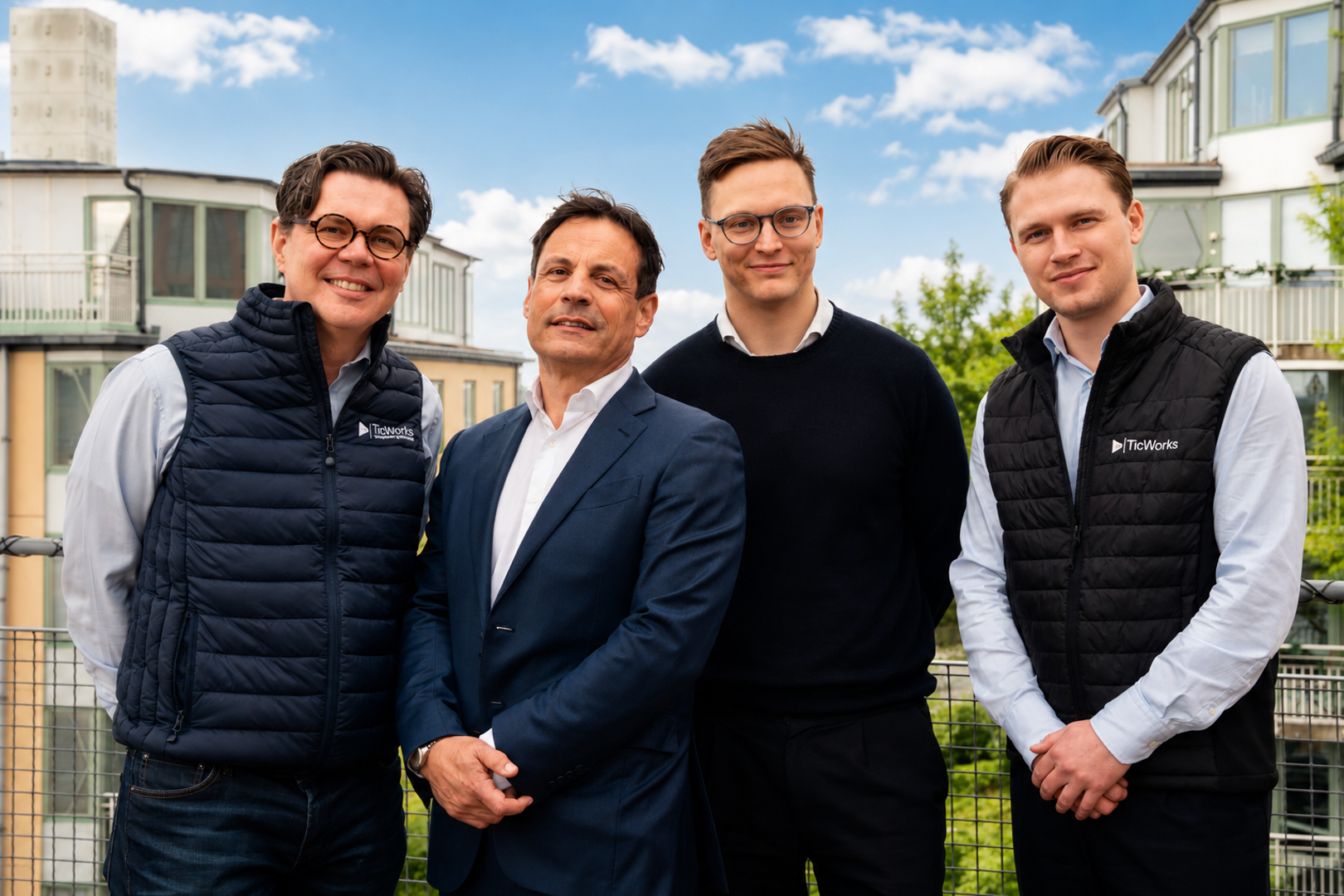
That is the assessment we at TicWorks work with every day, together with Swedish mid-sized companies, as we help them navigate their financing needs. ✅